The Complete Guide to User-Focused Web Design: Increase User Engagement and Conversion Rates
User-centric web design is pivotal in the modern digital environment. It emphasizes comprehending user expectations and tendencies. This strategy impacts every dimension of a digital platform, from menu design to page content. By focusing on mobile-friendly design and utilizing analytical tools, developers can improve the overall user journey. The significance of these techniques goes well beyond simple accessibility. They can greatly impact engagement and conversion rates. What strategies are most effective in achieving these outcomes? Exploring this question reveals essential insights to light.
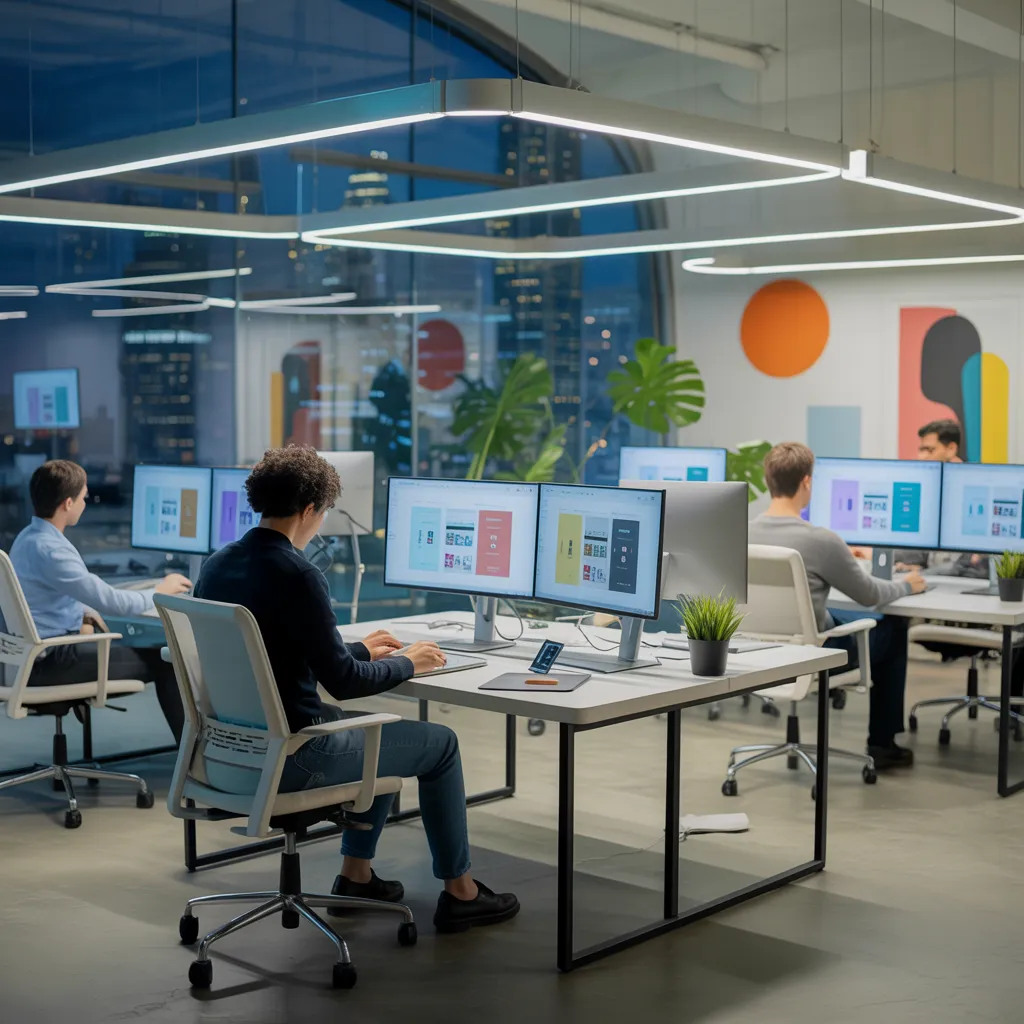
Understanding User Requirements for Successful Web Design
How can designers truly understand the needs of their users? Creating effective web designs requires them to participate in detailed research and analysis. This involves employing various methods such as user interviews, surveys, and usability testing. By gathering qualitative and quantitative data, designers can identify pain points, preferences, and behaviors of their target audience.
Examining user personas helps in visualizing various user categories and their unique demands. Furthermore, researching competing solutions can offer valuable information about industry standards and expectations. Designers should additionally monitor audience behavior with current solutions to pinpoint areas for improvement.
Including user feedback across the design process is essential for improving outcomes. By emphasizing the needs of users, design professionals can create websites that not only attract visitors but also foster engagement and satisfaction. Ultimately, a comprehensive understanding of the needs of users sets the stage for impactful, user-driven web design.
How User Expectations Drive Intuitive Navigation and Layout
User needs considerably influence the creation of intuitive navigation and layout within web design. Recognizing these needs confirms that users can readily access information, supporting an uninterrupted and seamless browsing experience. Successful navigation is organized around users' cognitive models, which determine how they anticipate engaging with a website. This balance not only boosts usability but also decreases frustration, consequently resulting in greater engagement rates.
Page structures must focus on clarity and accessibility, incorporating familiar design patterns that users recognize. Components like navigation menus, interactive buttons, and action prompts ought to be thoughtfully positioned according to user habits and expectations. Through performing audience analysis and interface evaluations, creators can uncover friction areas and behavioral tendencies, allowing them to create layouts that cater to specific user journeys. Ultimately, a user-centric approach to navigation and layout fosters a more intuitive interface, which is essential for retaining visitors and driving conversions.
Crafting Engaging Content That Satisfies User Expectations
Crafting engaging content requires a thorough understanding of user expectations and preferences. To efficiently capture the target audience's attention, content creators must examine user behavior, interests, and pain points. This knowledge allows them to craft messages that resonate with the target audience, strengthening relevance and appeal.
Employing straightforward, precise wording and compelling visuals can greatly boost user involvement. Furthermore, using storytelling techniques helps to create meaningful bonds, rendering the material more impactful. It is essential to preserve a steady voice that reflects the brand image while meeting user needs.
Additionally, including dynamic components, such as polls or quizzes, fosters user engagement. Updating content on a regular basis guarantees it remains current and valuable, fulfilling the growing expectations of readers. By prioritizing content quality and value, companies can build trust and loyalty, ultimately driving higher engagement and conversions.
Mobile Accessibility and Usability Through User-Centric Optimization
Which aspects are essential for successful mobile optimization emphasizing usability and accessibility? Initially, responsive design guarantees websites adjust flawlessly to different screen dimensions, improving the overall user experience. Additionally, user-friendly navigation is critical; clear menus and easy-to-click buttons support smooth user interactions. Prioritizing fast load times is essential, as mobile visitors anticipate swift access to data.
Moreover, including accessibility features, such as text-to-speech functions and scalable font options, supports people with accessibility needs, reaching a wider audience. Applying high-contrast colors and legible typography boosts legibility, particularly in outdoor environments.
Integrating intuitive design features minimizes frustration, allowing users to engage effortlessly with content. Finally, conducting tests across various devices and platforms delivers a seamless experience. By focusing on these factors, organizations can create mobile solutions that not only satisfy user requirements but also enhance overall engagement and conversion rates.
Tools to Measure User Engagement and Conversion Success
Proper mobile optimization establishes the groundwork for assessing user engagement and conversion performance. A range of tools allow web designers and marketers to examine user behavior and monitor key metrics. Google Analytics remains a cornerstone, offering insights into user demographics, session duration, and bounce rates, helping identify areas for improvement. Heatmap platforms including Hotjar and Crazy Egg offer graphical depictions of user interactions, giving designers visibility into where users click, scroll, and abandon the page.
A/B testing solutions, including Optimizely and VWO, enable testing of multiple design variations to establish which options deliver better conversion rates. Additionally, user feedback tools like SurveyMonkey and Typeform obtain helpful tips qualitative information directly from customers, offering valuable insights into their experiences. By utilizing these resources, organizations can create a more user-centric design that not only enhances engagement but also improves conversion rates, which ultimately produces improved overall business outcomes.
Common Questions and Answers
What Methods Can I Use to Gather User Feedback Successfully?
To collect user feedback efficiently, one should employ surveys, interviews, and usability testing. Examining data using analytics tools and promoting open communication fosters a deeper understanding of user preferences and needs, ultimately enhancing product development.
What Are the Most Frequent Errors in User-Centric Design?
Typical pitfalls in human-centered design include neglecting user research, making navigation too complex, failing to address accessibility, failing to optimize for mobile, and failing to iterate based on feedback. These errors can damage user experience and lead to reduced engagement.
How Frequently Should I Refresh My Website Design?
A web design should be redesigned every 1-3 years, according to technological advancements, industry trends, and user feedback. Regular updates ensure ongoing relevance, elevate overall user experience, and sustain engagement with the target audience.
How Does Color Psychology Influence Design?
Color theory greatly influences visual design by stirring feelings and altering viewer perceptions. Designers utilize color strategically to enhance user experience, guide behavior, and create a recognizable brand presence, directly affecting interaction and conversion metrics across various digital platforms.
What Is the Best Way to Balance Aesthetics and Functionality
Striking a balance between aesthetics and functionality requires careful consideration of user experience. Designers should prioritize intuitive navigation and accessibility while integrating visually engaging elements, guaranteeing that aesthetic quality supports usability instead of undermining the overall effectiveness of the design.
Comments on “Web Design: Creative Digital Design for Startups”